Software Programmers in the AI Era: The Screen No Longer Matches the Work
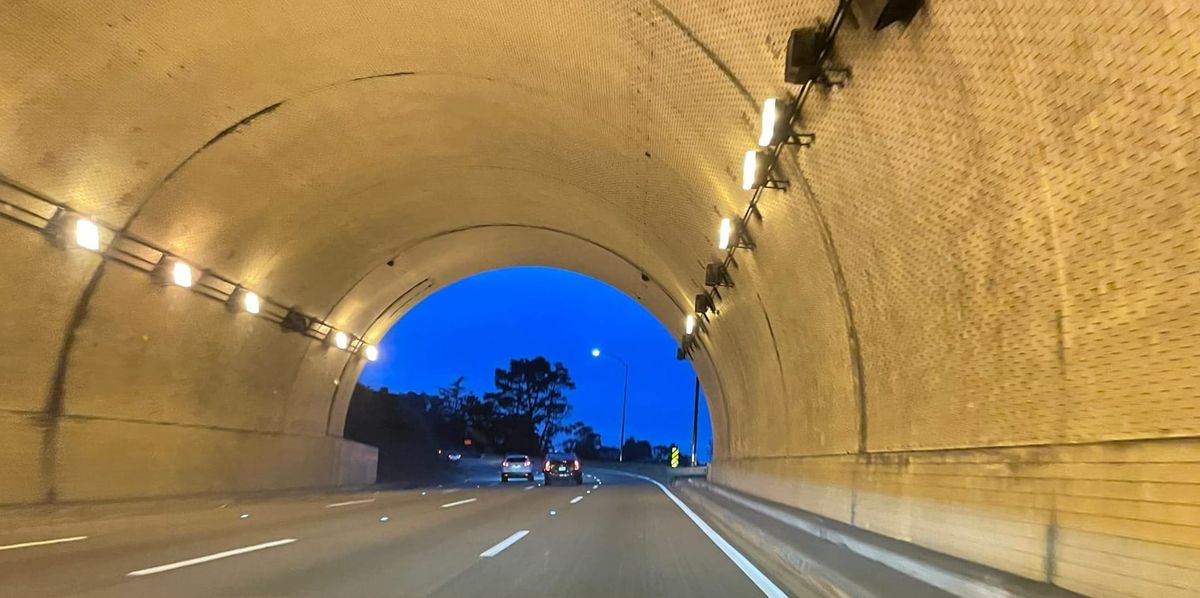
Case of the Week, Min Wu, PhD · ai-public-health.com
Software programmers used to be the most popular career in my friend group. Over the years, my soccer team has lost members one by one—injuries, moves, jobs that ate the weekends. The roster thinned slowly enough that I didn’t notice until a recent dinner.
That night, the conversation turned to their children—computer-science majors, most of them juniors and seniors. The parents were quieter than usual. Layoffs. Fewer openings. Friends’ kids back home after graduation. My field is AI in public health, which makes me a software programmer too, of a particular kind. Today I want to face this question honestly and offer some clarity rather than reassurance.
Two pictures, both true
If you only listen to the headlines, the picture looks bleak: layoff rounds, hiring slowdowns, junior roles vanishing at large firms. Listen to recruiters instead, and the picture is the opposite. Demand for AI engineers, agent orchestrators, and platform people who can ship reliable systems on top of language models has never been higher.
Both pictures are correct. The field is not collapsing. It is bifurcating. The headline counts the door that is closing. The recruiter counts the door that is opening. Neither alone tells you what is happening to the building.
Working with AI tools is the new normal
This is the part that has already changed and is not going back. Engineers at AI-mature firms now spend their day in conversation with tools that draft code, suggest tests, and refactor across files. The unit of work is no longer the line typed but the judgment exercised—what to ask for, when to accept, when to reject, when to throw it out and start over.
This is a real shift in what software engineering is. The skill that used to be central—writing code by hand from memory—has moved to the periphery. The skills that used to be peripheral—precise specification, judgment about what “correct” means, review of plausible-looking output that is subtly wrong—have moved to the center. The job description has not been rewritten. The daily activity has been rewritten anyway.
Interviews will change soon, and the screen no longer matches the work
The interview your son or daughter will sit for in the spring is, in most companies, still the interview that was designed for a pre-AI world. A whiteboard. A sorting algorithm from memory. No AI tools allowed in the room.
Then they get the offer, and on day one they are expected to ship AI-augmented production code. The screen and the work no longer measure the same thing. This gap is closing—some firms have already moved interviews to AI-augmented work samples—but it is closing unevenly and without announcement.
This is what makes software different from past disruptions. Other fields rewrote their rules through formal channels—new regulations, credentials, exams. Software has none of these. There is no licensure body, no Bar, no journal review committee. The rulebook—hiring, interviews, performance metrics, career-ladder timing—is set entirely by employers, and it is being rewritten quarter by quarter without anyone declaring it. Most companies have layered the new tools on top of the old logic and called it modernization.
What is being measured at the doorway
Here is where I do have something to say, because this is the question I work on. The interview is a measurement instrument. So is the take-home assignment. So is the homework I give my own students. And the question I keep asking, in education and in hiring alike, is the same one: are we measuring the output, or the process that produced it?
An algorithm white boarded from memory is an output measurement. So is a clean code sample. So is a polished AI-assisted assignment turned in by a student who cannot tell me how she got there. In a pre-AI world, the output was a reasonable proxy for the process, because producing the output required doing the thinking. AI broke that link. Two students can submit the same correct design—one who interrogated the tool carefully, one who pasted the prompt and submitted the result—and the rubric cannot tell them apart. The same is now true of two job candidates who submit the same correct take-home.
This is the deeper reason the screen no longer matches the work. The work that AI-augmented engineering requires—precise specification, judgment about what “correct” means, the ability to push back on a plausible-looking answer that is subtly wrong—is process-shaped. It cannot be observed by looking at a deliverable alone. The companies that figure out how to measure process at the doorway will hire well in this era. The ones that keep measuring output will keep being surprised by who fails on day one.
I have written more about this in the context of education in Homework Is the Rehearsal: Why AI Education Needs to Measure the Process, Not the Output. The argument transfers directly. What homework is to learn, the interview is to hire. Both are rehearsal spaces. Both are currently measuring the wrong thing in most places. And the people most exposed are the ones who learned to optimize for output without ever rehearsing the process underneath.
What I would tell my friends’ children
Three things, if they were sitting across from me at that dinner.
First, the question is no longer should I major in computer science. It is am I being trained to produce outputs, or to think with the tools that produce them. Coursework that drills algorithm recall and grades on a clean deliverable is teaching to a measurement that is already obsolete. Coursework—or self-study—that asks the student to interrogate AI output, surface its assumptions, and explain why a plausible answer is wrong is rehearsing the actual job. The students who graduate with the second habit will be ready for the work they are walking into. The students who graduate with the first will arrive on day one and find the ground has moved.
Second, foundations matter more, not less. The engineers most exposed right now are the ones who learned alongside AI tools without ever being forced to understand what was happening underneath. When the tool is wrong—and it is wrong often enough to matter—only engineers with real fundamentals can tell.
Third, the genuinely open question is what happens to the pipeline. If entry-level hiring stays compressed, where do the senior engineers of the next decade come from? Some firms are betting on AI-native juniors who learn the new way from day one. Others are not hiring at the entry level at all. We will find out which bet was right in five to seven years—the wrong timescale for the people deciding their majors right now.
Observer’s Insight
My field is AI in public health, which means I sit at an unusual angle to this question. The most useful thing I can offer is this: do not confuse the closing of the old door with the closing of the field. The old door—the modal pre-AI software job, hired through pre-AI rituals, evaluated on pre-AI metrics—is closing fast. The new doors are open and unusually wide, but they are not labeled, and they will not stay open forever. My friends’ children are not too late. They are right on time, if they understand which door they are walking through.
As a member of the Springer Nature Author Affiliate Program, I may earn a small commission from purchases made through this affiliated link to my book. Support the author by checking out my textbook, Artificial Intelligence in Public Health: https://tidd.ly/4mH9389